Author name: dotconnect

Rent Changes! How to Give Tenants Notice Thinking of raising the rent on a month-to-month lease? Here's what you need to know: Check the lease agreement first. Did you include a clause about rent increases? If so, it should mention the new rent amount or how it will be calculated. Give your tenants plenty of notice. They'll need at least two months' written notice before the increase takes effect. Wait at least 12 months. You can't raise the rent more than once a year, even if the lease continues month-to-month. Tip: It's always a good idea to follow the advice of the Residential Tenancies Authority (RTA) to avoid any misunderstandings with your tenants. Raising rent during a fixed-term lease with a special clause? Here's what to do: If your lease agreement has a special clause allowing rent increases during the fixed term, you'll still need to give the tenant a separate written notice. There's no official form, but the notice must clearly state the new rent amount and the exact day the increase starts. Important: If you used a different special clause, check with the RTA for specific notice requirements. It's also a good idea to consult a lawyer to ensure your notice complies with your specific clause. Remember: Even with a special clause, following the RTA's guidelines and potentially seeking legal advice can help avoid any confusion or issues with your tenant. You may also be interested to read.. You may also interest Contact us now Click here Contact us now Click here

Rent Changes ! How To Give Tenants Notice Read More »

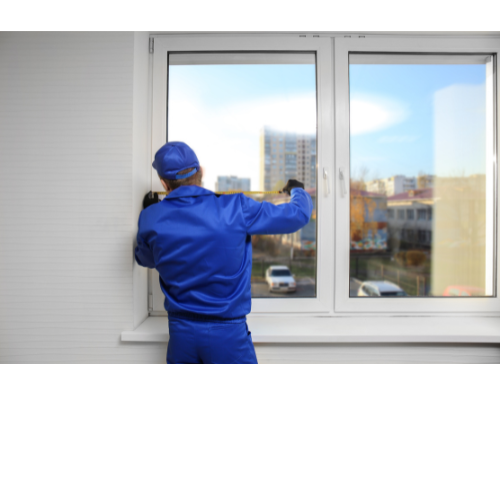
Minimum housing standards explained Attention landlords! New minimum housing standards are required! Starting September 1st, 2023, all new rental agreements need to meet these improved standards. By September 1st, 2024, all existing tenancies will also need to comply. This means you've got some time to make sure your rental property meets the grade. These standards ensure your tenants have a safe and healthy place to live. It's a win-win for everyone! The exact minimum housing standards are listed in a regulation document [RTRA Regulation], but generally they focus on two main areas: keeping tenants safe and secure, and making sure the rental property functions properly. Your rental property should be a safe and secure place to live. Here's what that means: Keeps the weather out: The roof and walls shouldn't leak, and the building should be structurally sound. Everything works properly: Appliances and plumbing should be in good shape and not a safety hazard. Keeps you safe from outsiders: Doors and windows that can be reached from the ground need to have working locks. Free of pests and moisture: The property shouldn't have mold, dampness, or vermin (unless it's your fault, like not using an exhaust fan). Privacy in your own space: Bedrooms and bathrooms should have blinds, curtains, or something similar to give you privacy. This doesn't apply if there are already things outside blocking the view, like trees or fences. Your rental property should have the basic things you need to live comfortably. Here's what that means: Working plumbing and water: There should be enough sinks, drains, and toilets for everyone living there, with hot and cold running water that's safe to drink. Private bathroom: Bathrooms and toilets should give you privacy. Toilets should also flush properly and have a working waste disposal system. Cooking space (if there's a kitchen): If there's a kitchen, it should have a working stovetop for cooking. Laundry hookups (if there's a laundry): If there's a laundry room, it should have the necessary plumbing to connect a washing machine (washer and dryer are usually your responsibility). You can't raise rent just because you make improvements to meet the minimum standards. Tenants shouldn't have to pay more to live in a safe and healthy place. If you try to raise rent for these improvements, tenants can challenge it in tribunal. It's best to be upfront about costs and avoid any potential disputes. Landlords, remember: meeting minimum housing standards is your responsibility. If your rental property isn't up to standard here's what tenants can do: Move out: If the problems aren't fixed after they tell you, they can give notice and end the lease. Take you to tribunal: They can ask a tribunal to order you to make repairs. Fix it themselves and deduct the cost from rent: They can pay for repairs up to 4 weeks' rent if you don't respond in a reasonable time. The bottom line: It's important to make sure your rental property meets the minimum standards. This protects your tenants and avoids potential headaches down the road. By now, property managers should be familiar with the minimum housing standards and which rentals need work to comply. It's important to talk to landlords about getting any repairs done by qualified professionals so their properties meet the deadlines. This will help avoid any issues with tenants in the future. You may also be interested.. You may also interest Contact us now Click here Contact us now Click here

Minimum housing standards - Are you prepared? Read More »

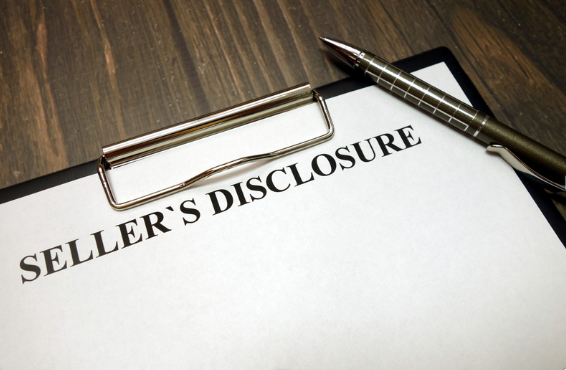
More transparency for QLD property buyers! Big news for Queensland property: A new law is coming that will change how houses and businesses are sold! The key change is a mandatory seller disclosure regime. This means sellers must provide a detailed report about the property to potential buyers before a sales contract is signed. This report will include things like: Property details: Any issues with the structure, plumbing, or other aspects of the property. Important documents: Certificates and other official documents related to the property. What does this mean for real estate agents? Real estate agents will be responsible for helping sellers prepare and share these disclosure documents. What does this mean for buyers? This new law is designed to give you more information upfront so you can make informed decisions about buying a property. If the seller misses something important in the disclosure, you may even be able to back out of the sale before it's finalized. You may also BE interested.. Contact us now Click here You may also interest Contact us now Click here

MORE TRANSPARENCY FOR QLD PROPERTY BUYERS!​ Read More »

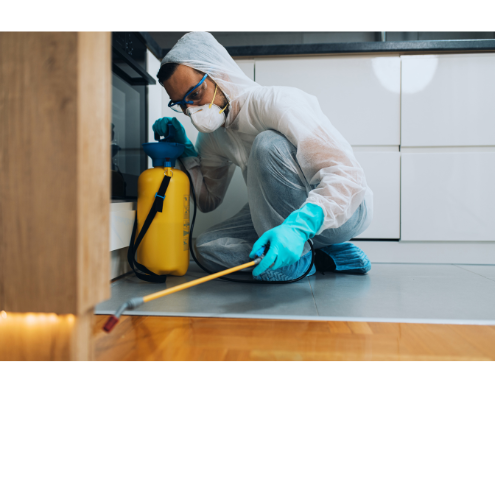
Landlord or Tenant? The Showdown Over Pest Control Keeping your rental pest-free: A shared responsibility Both landlords and tenants have a role to play in maintaining a clean and pest-free rental property. Here's a breakdown of who's responsible for what: Landlord's responsibility: Generally, the landlord is responsible for taking care of pest control issues before the tenant moves in and arranging inspections, treatments, or repairs as needed. Tenant's responsibility: Tenants are responsible for maintaining a clean and sanitary living environment to prevent pest infestations from starting or worsening. Who pays? In most cases, the party who caused the infestation is responsible for fixing it. However, proving fault isn't always easy. Here are some tips to avoid disagreements: Clear communication: Make sure the tenancy agreement clearly outlines pest control responsibilities for both parties. Regular inspections: Conduct regular inspections to identify potential problems early on. Property condition report: Use a detailed property condition report to document the state of the property at the start of the tenancy. By working together and understanding your roles, you and your landlord can keep your rental pest-free! You may also interest You may also interest Contact us now Click here Contact us now Click here

Landlord or Tenant? The Showdown Over Pest Control Read More »

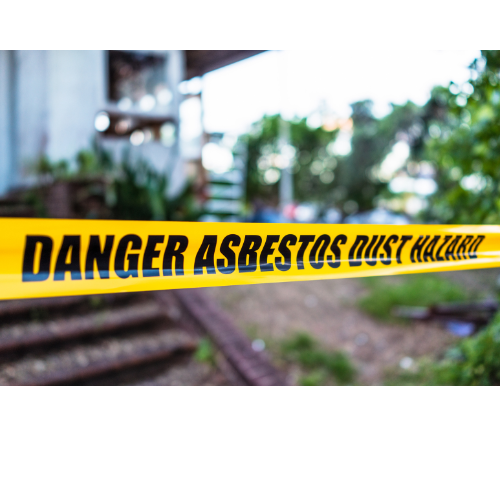
Living Safe: A Guide to Asbestos in Rental Properties Important information for landlords and property managers about asbestos: Did you know that many houses built before 1990 might contain asbestos? Asbestos can be dangerous if disturbed, but asbestos in good condition is not a risk. Here's what you need to know: Asbestos was commonly used in building materials until the late 1980s. If you suspect asbestos in your rental property, don't try to remove it yourself. Always hire a licensed professional to assess and handle any asbestos. There are different licenses required depending on the type and amount of asbestos. Protect your tenants and your property: By working with licensed professionals, you can ensure the safety of your tenants and avoid any risks associated with asbestos. You may also be interested.. You may also interest Contact us now Click here Contact us now Click here

LIVING SAFE: A GUIDE TO ASBESTOS IN RENTAL PROPERTIES Read More »

Scroll to Top